
Which window and door opening types suit your home?
How a window or door opens changes how you live with it every day – ventilation, cleaning, safety, space and the look of your home. Here is a simple guide to the options, so you can choose with confidence.
- Windows and doors compared
- Advice for period and modern homes
- Free survey and expert advice

Window opening types
Windows
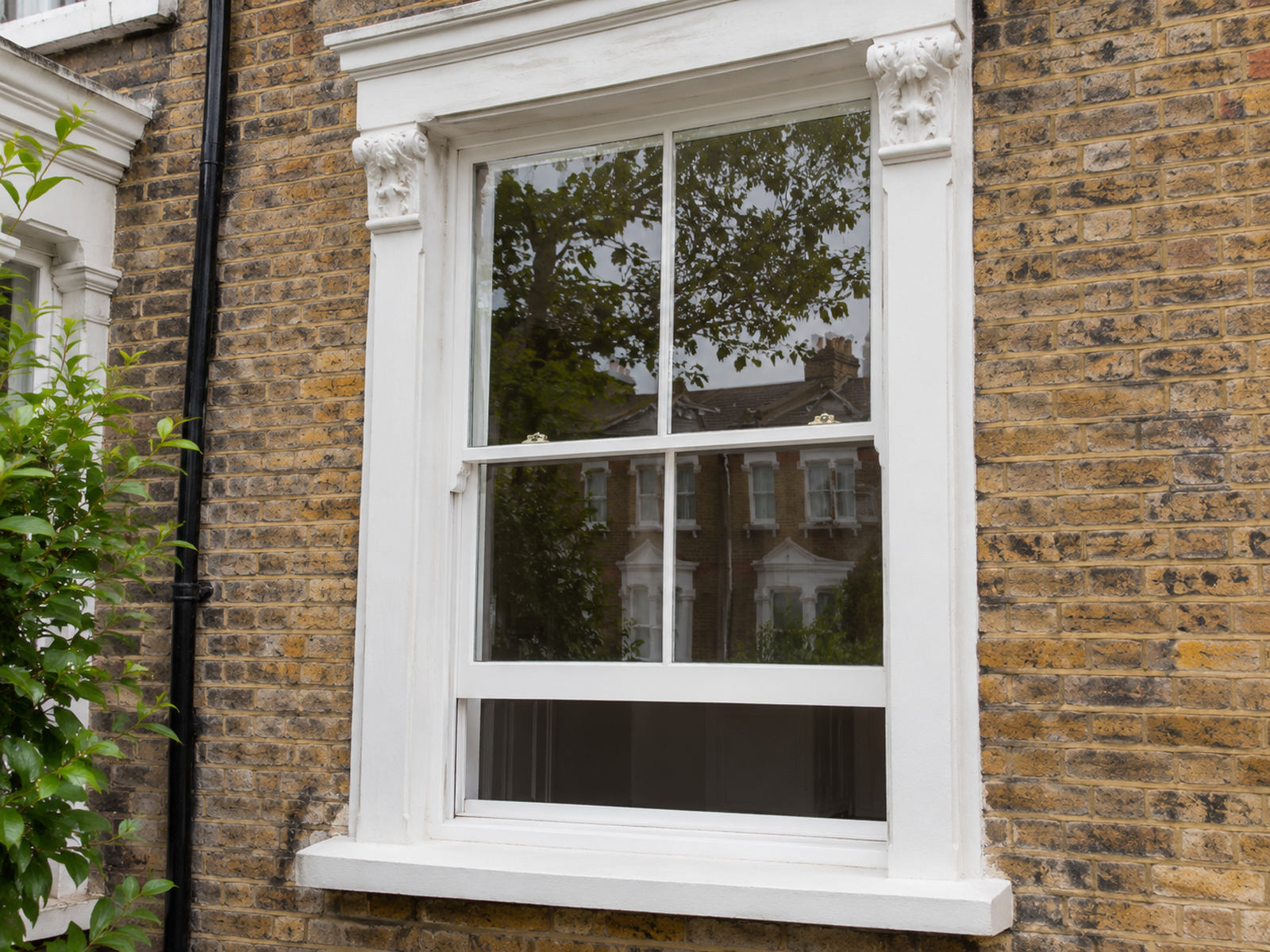
Sash windows
Two sashes slide up and down in the frame.
- Classic look for period homes
- Opens without taking up room inside or out
- Top and bottom sashes both open for good airflow
Best for: Victorian, Edwardian and Georgian homes and conservation areas.
Windows
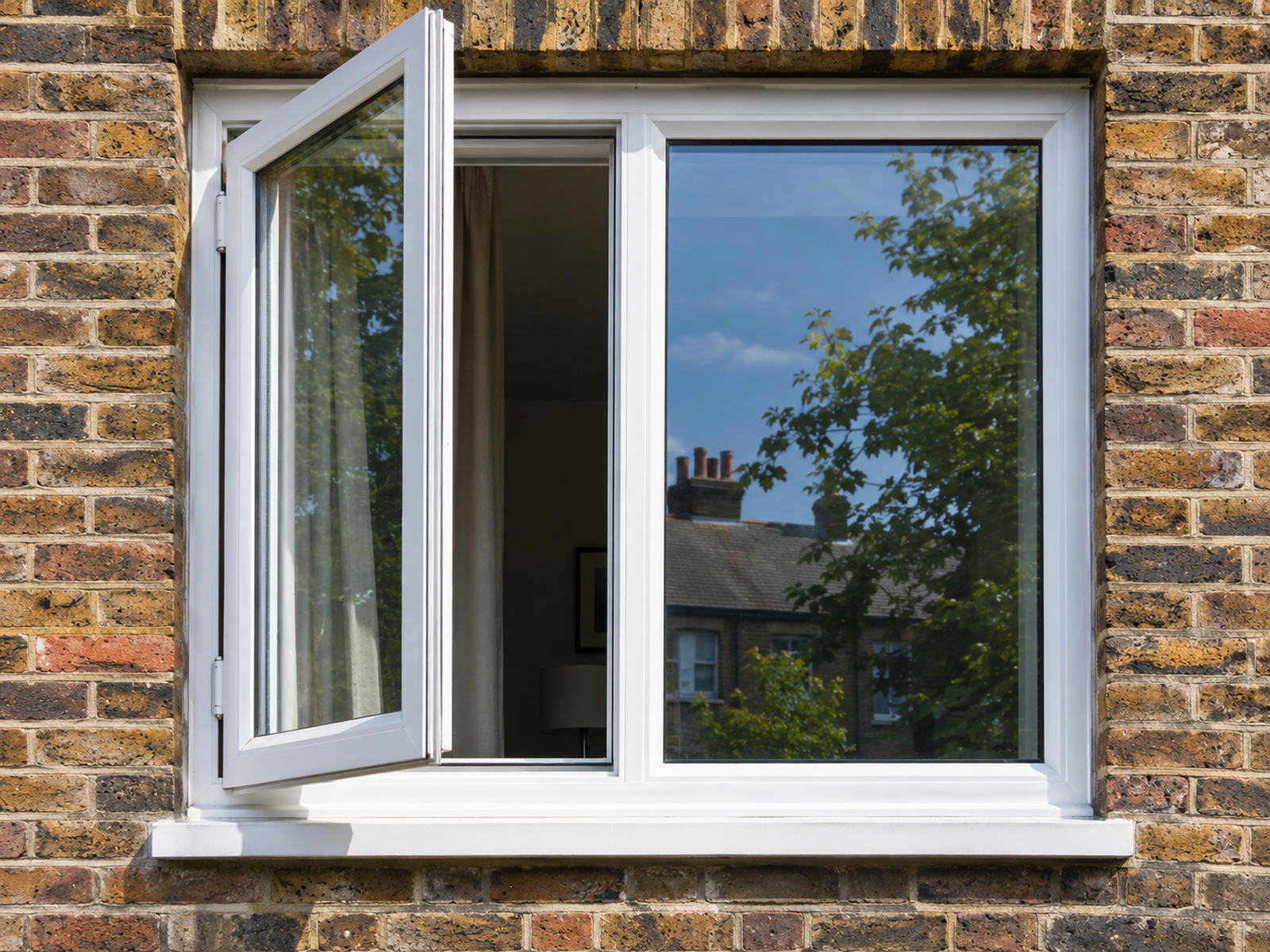
Side-hung casement
Hinged at the side and opens outwards, like a door.
- Wide opening for fresh air
- Simple and easy to use
- Can be sized as a fire escape window
Best for: Most homes, bedrooms and escape windows.
Windows
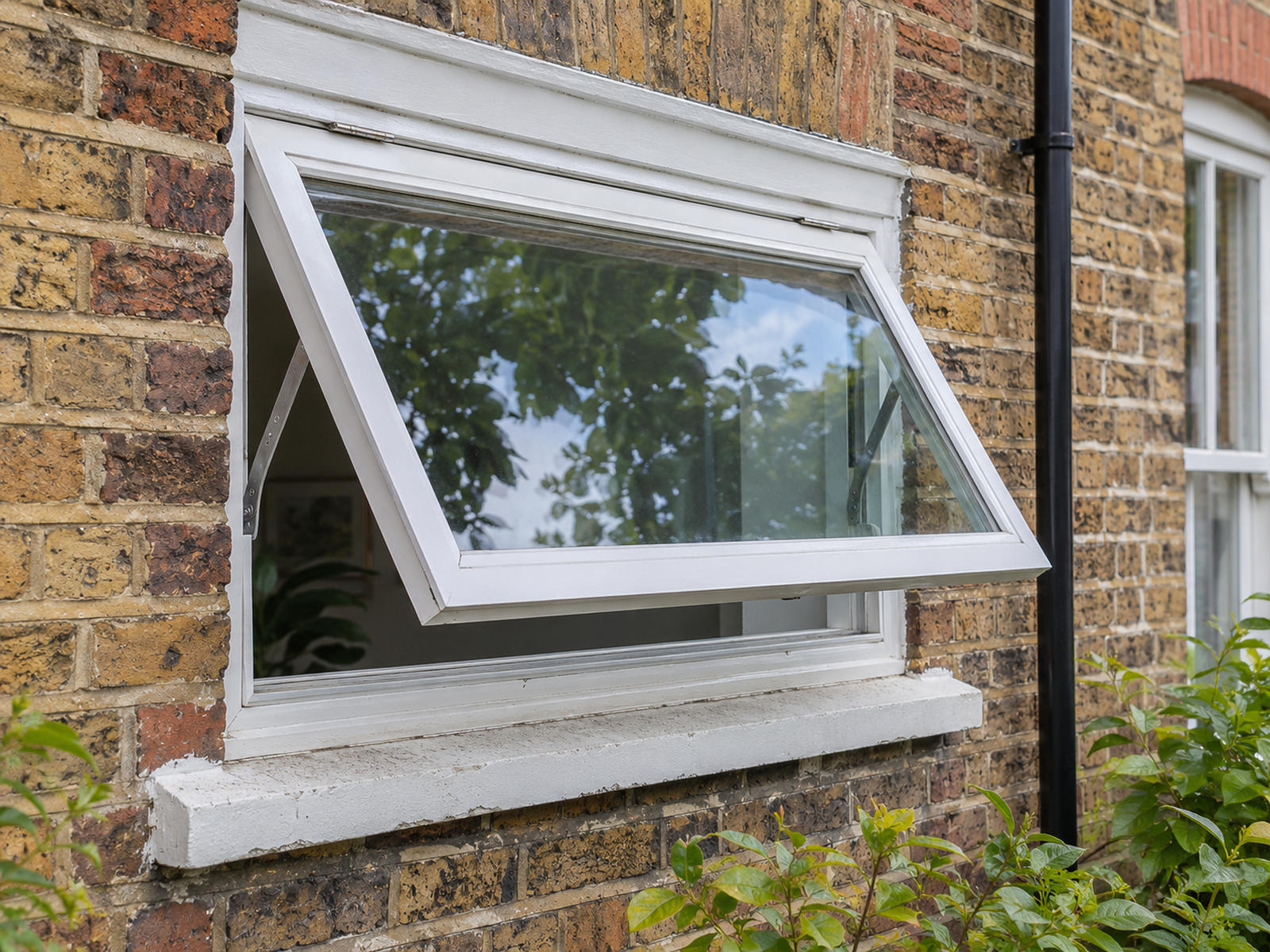
Top-hung casement
Hinged at the top and opens outwards from the bottom.
- Ventilation even when it rains
- Good for small or high windows
- Neat and practical
Best for: Bathrooms, kitchens and narrow openings.
Windows
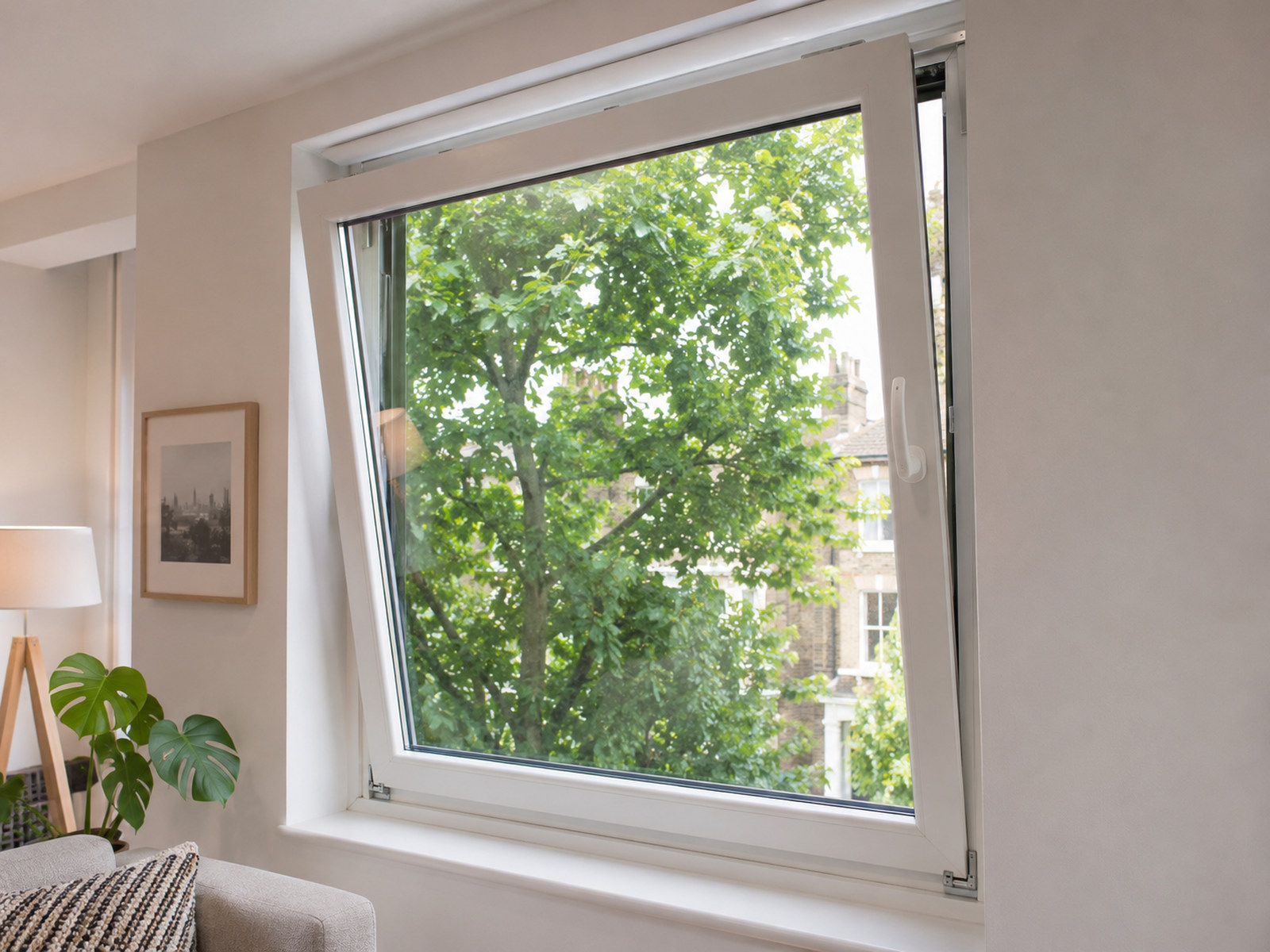
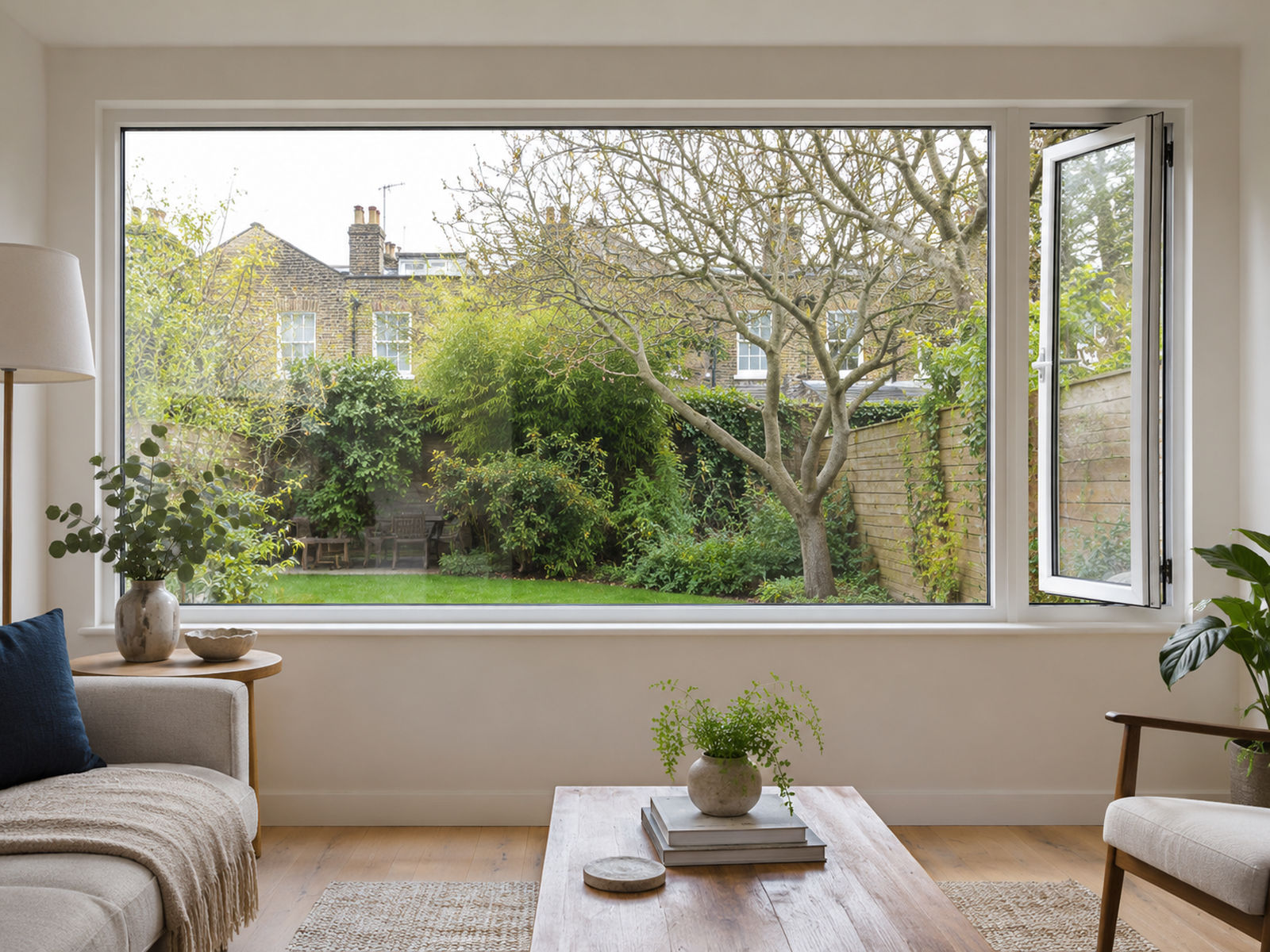
Tilt and turn
Opens inwards: tilts at the top for ventilation, or swings fully open like a door.
- Clean the outside of the glass from inside
- Secure tilt ventilation
- Very good seals and security
Best for: Upper floors, flats and modern homes.
Windows
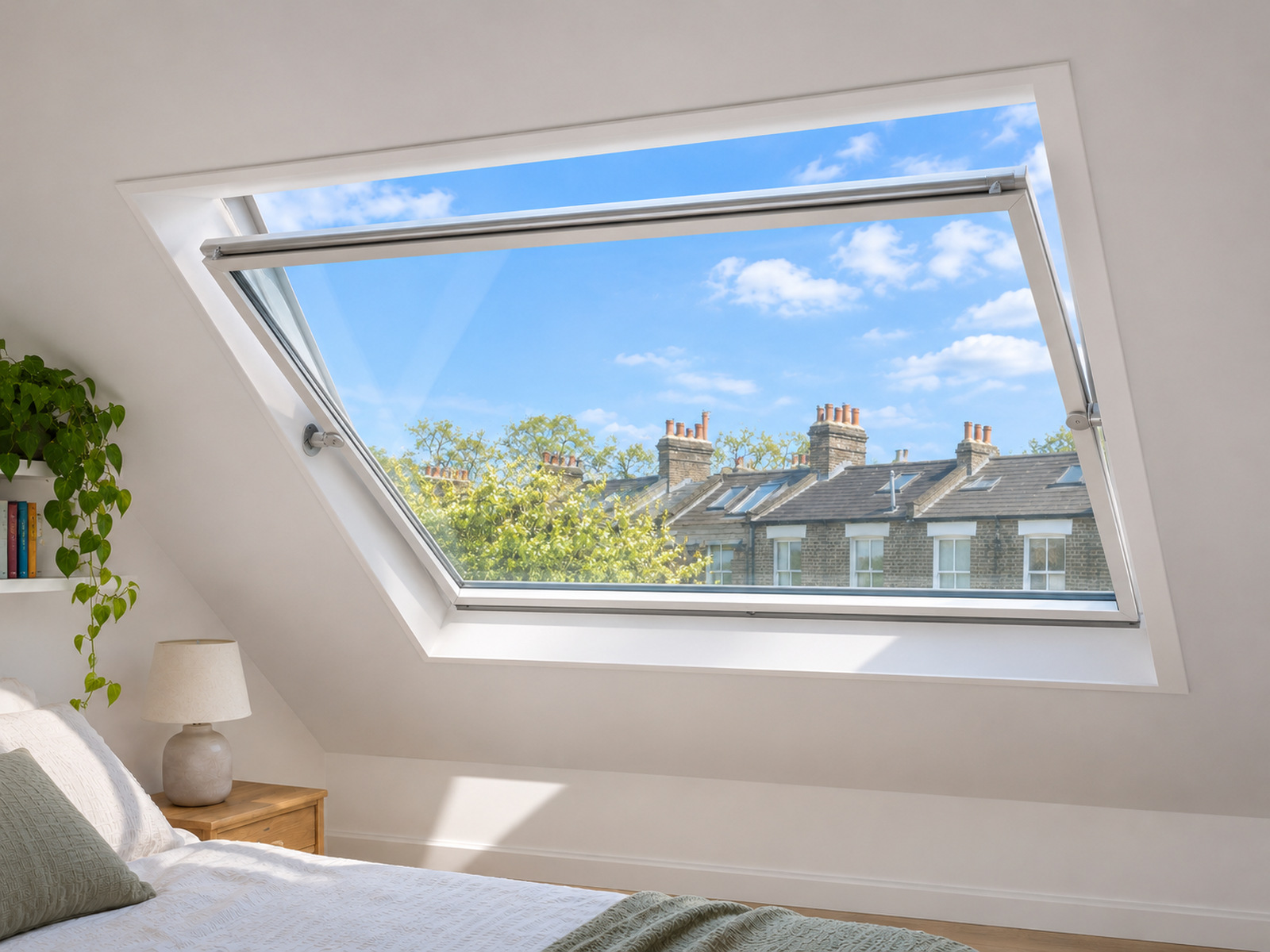
Fixed windows
The glazed panel does not open.
- Maximum glass and light
- Best insulation and sealing
- Can be combined with opening windows
Best for: Large picture windows and alongside opening sashes.
Windows
Roof windows
Centre-pivot or top-hung windows set into the roof slope.
- Brings daylight into loft rooms
- Easy to open, often with a pole or remote
- Ventilation at roof level
Best for: Loft conversions and rooms in the roof.
Door opening types
Doors
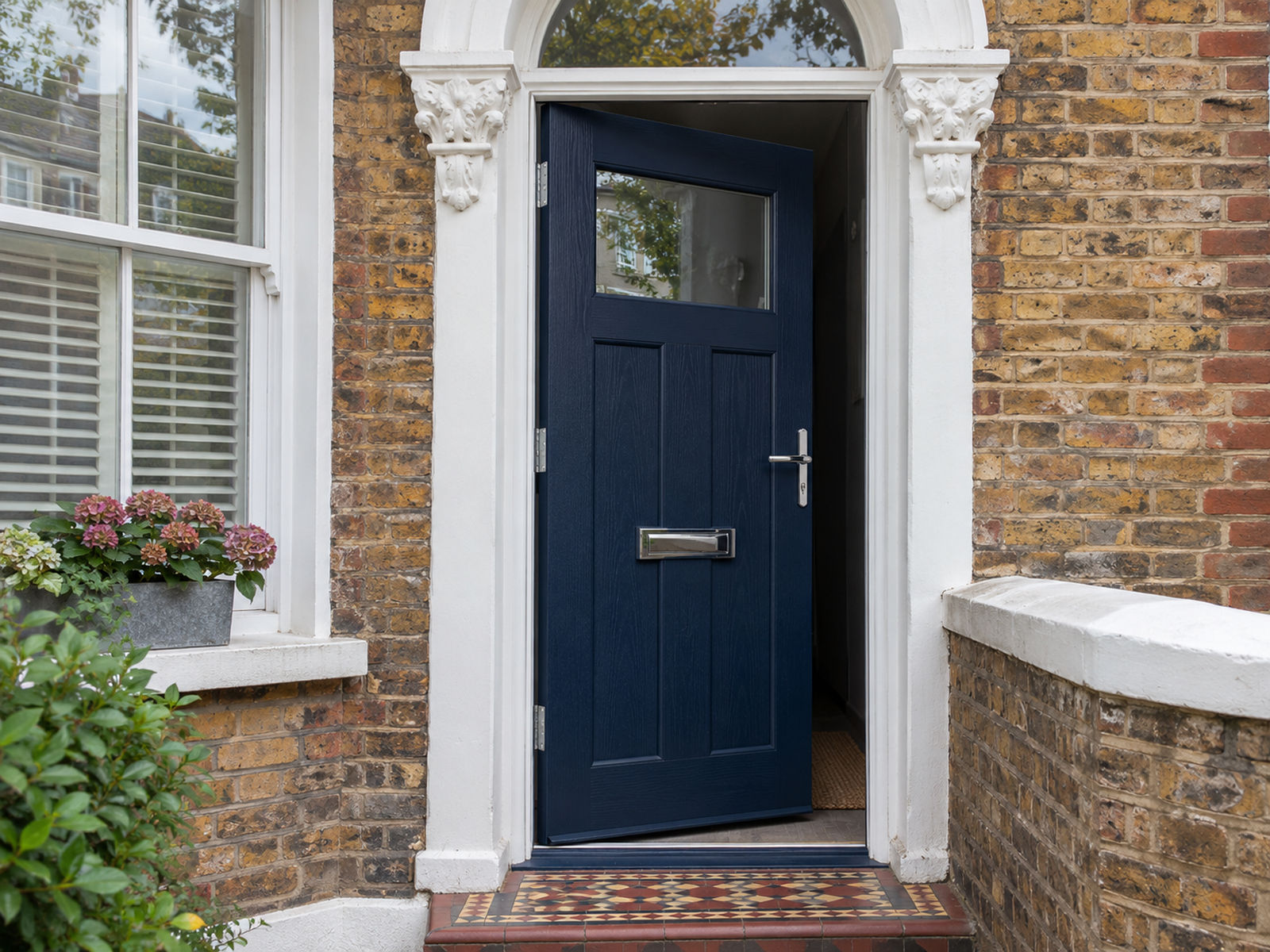
Front and back doors
A single hinged door, opening inwards or outwards.
- Multi-point locking for security
- Many styles, colours and glazing options
- Composite, timber, aluminium or steel
Best for: Main entrances and back doors.
Doors
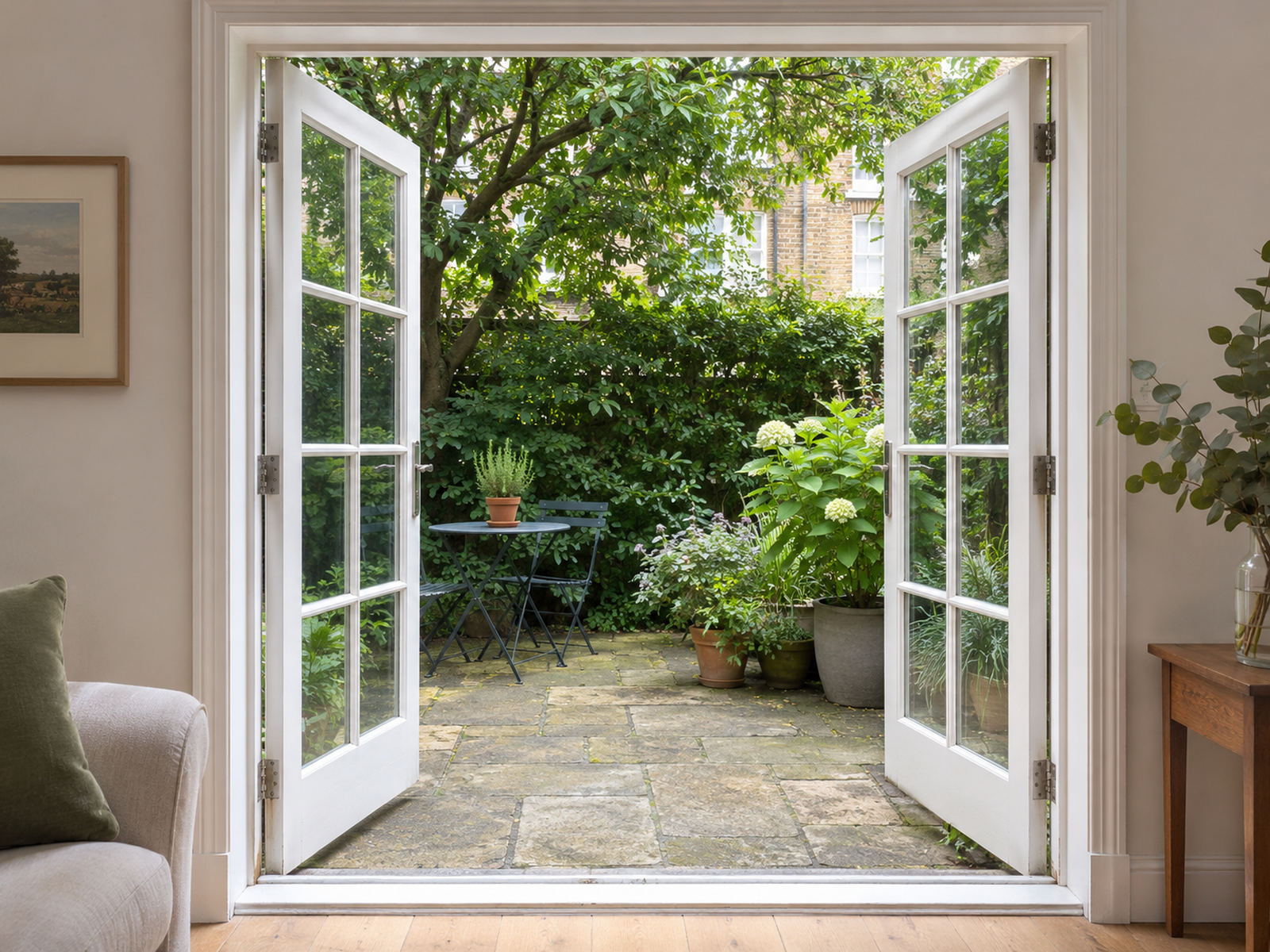
French doors
Two hinged doors that open from the centre, usually outwards.
- Wide opening without a central post
- Classic, elegant look
- Both doors can open, or just one
Best for: Garden access from living rooms and smaller openings.
Doors
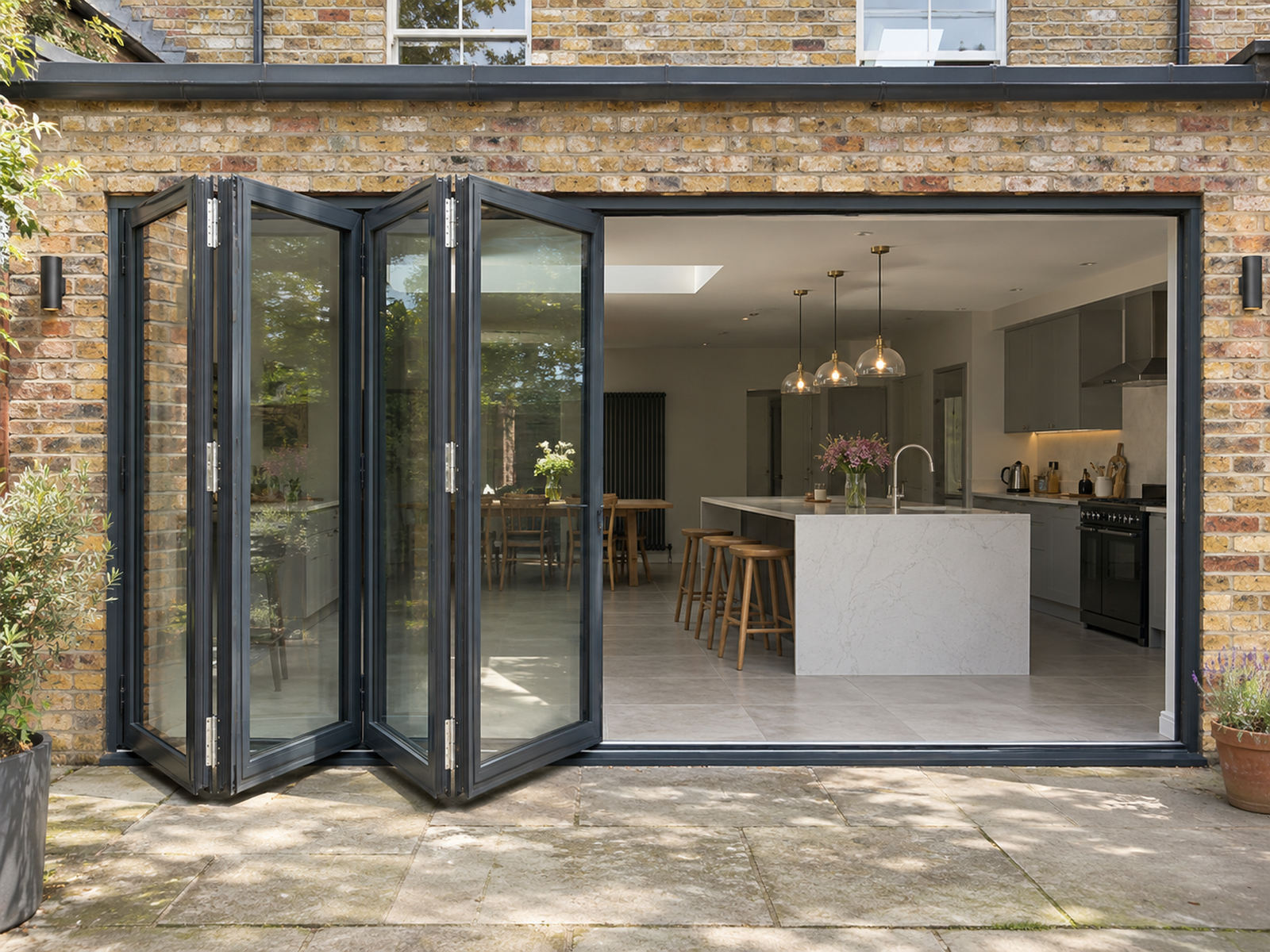
Bi-fold doors
Panels fold and stack to one or both sides.
- Opens almost the whole wall
- Main door for everyday use
- Great link between kitchen and garden
Best for: Kitchen extensions and wide garden openings.
Doors
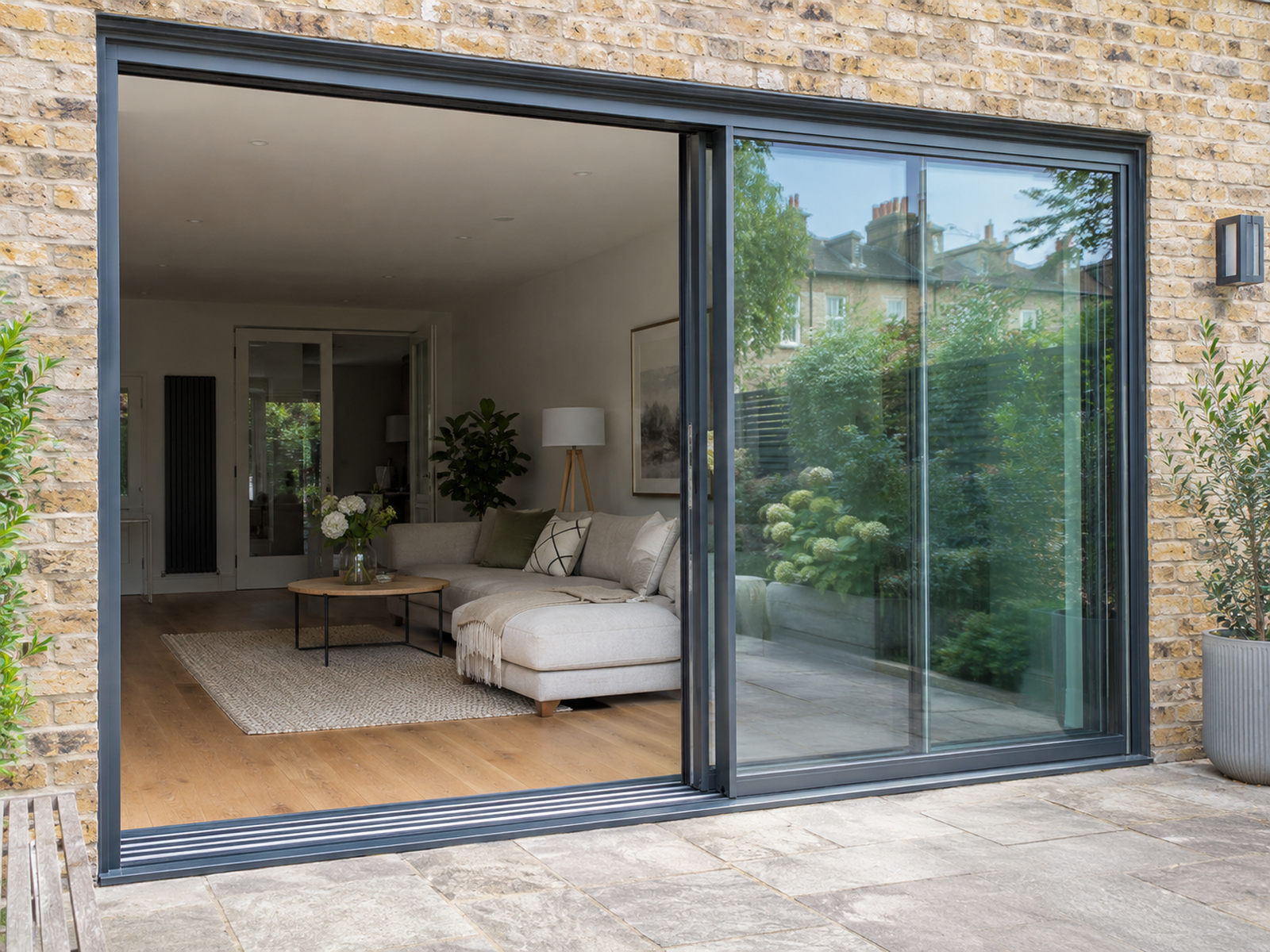
Sliding patio doors
One panel slides past another along a track.
- Large glass panels and slim frames
- Does not swing into the room
- Easy to open and close
Best for: Wide openings where space is tight.
Doors
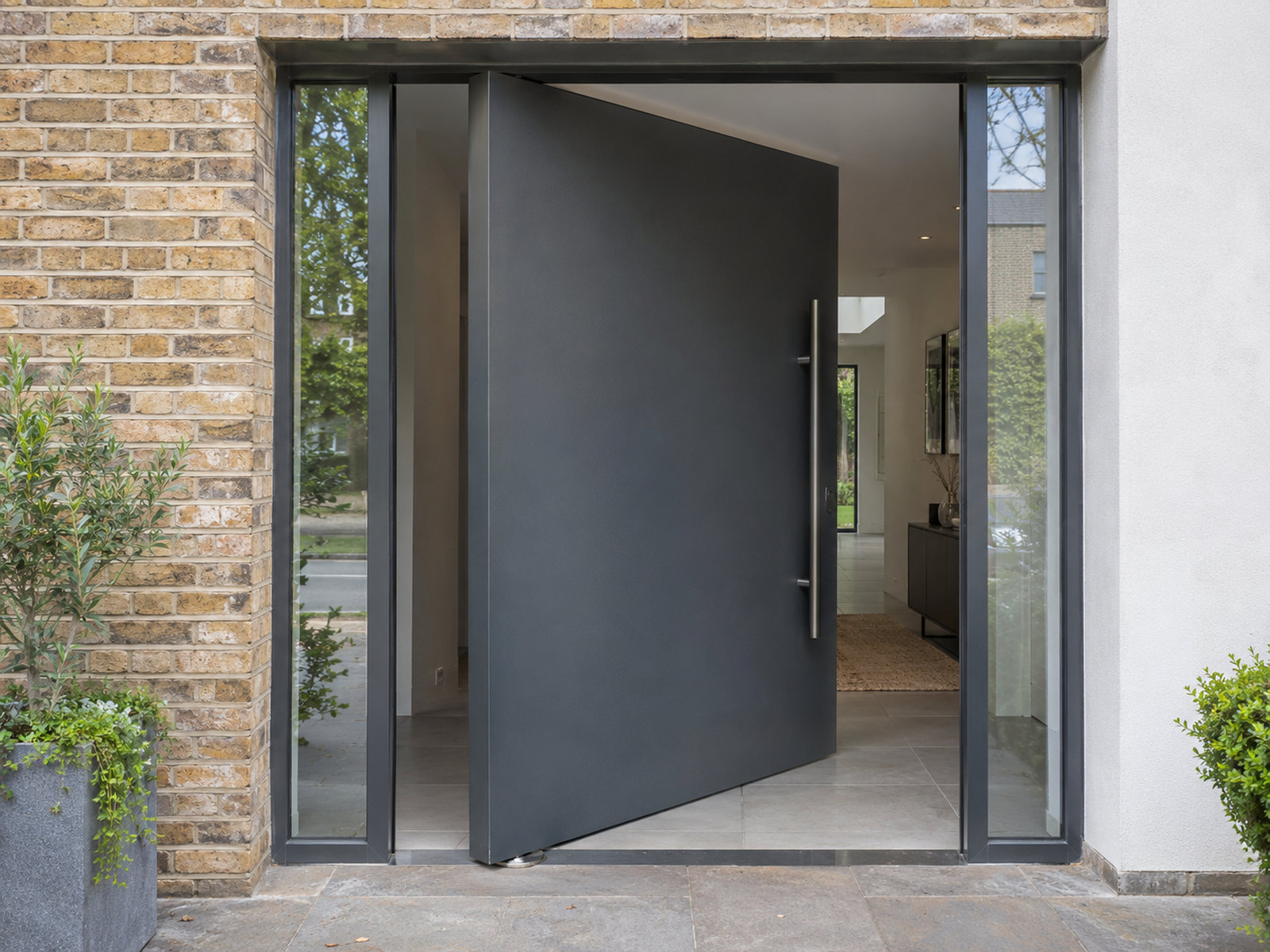
Pivot doors
The door turns on a pivot set into the top and bottom of the frame.
- Very wide, eye-catching entrance
- Smooth, balanced movement
- Contemporary design statement
Best for: Modern homes and feature entrances.
Hinges and locks
Egress and easy-clean hinges, multi-point locks, anti-snap cylinders – what keeps your windows and doors safe and easy to use.
Quick comparison
Scroll sideways on a phone to see the whole table.
| Type | How it opens | Main benefit | Best for |
|---|---|---|---|
| Sash window | Slides up and down | Period look, saves space | Period homes, conservation areas |
| Side-hung casement | Outwards, from the side | Wide opening, escape window | Most homes and bedrooms |
| Top-hung casement | Outwards, from the bottom | Ventilation in the rain | Bathrooms and kitchens |
| Tilt and turn | Inwards: tilt or swing | Easy cleaning, secure airing | Upper floors and flats |
| Fixed window | Does not open | Most light, best insulation | Picture windows |
| Roof window | Pivot or top-hung | Daylight in the loft | Loft conversions |
| Front / back door | Single hinged door | Security and style | Entrances |
| French doors | Two doors from the centre | Wide, classic opening | Garden access |
| Bi-fold doors | Panels fold to the side | Opens the whole wall | Extensions, wide openings |
| Sliding patio doors | Panel slides along a track | No swing into the room | Wide openings, tight spaces |
| Pivot door | Turns on a central pivot | Statement entrance | Modern homes |
Things to think about when choosing
We are happy to talk you through the options during a free survey at your home.
Ask for advice- Fire escape: bedroom windows on upper floors may need a large opening
- Space: will an opening window or door hit furniture, a path or a blind?
- Cleaning: can you reach the outside of the glass safely?
- Ventilation: do you want airflow while the window stays secure?
- Style: what suits the age and character of your home?
- Conservation areas: some homes need a like-for-like look
Opening types: frequently asked questions
Which windows are best for a period home?
Sash windows usually suit Victorian, Edwardian and Georgian homes best and are often expected in conservation areas. Timber casement windows can also suit some period properties. We advise on the right style during a free survey.
What is the difference between casement and tilt and turn windows?
Casement windows open outwards on side or top hinges. Tilt and turn windows open inwards: they tilt at the top for secure ventilation or swing fully open, which makes cleaning the outside of the glass easy from inside.
Do I need an escape window?
Building Regulations usually require an escape window in rooms such as bedrooms on the first floor or in a loft conversion. These windows need a large enough clear opening. We check this when we survey your home.
Are bi-fold or sliding doors better?
Bi-folds open almost the whole width of the wall, while sliding doors have larger glass panels and do not swing into the room. The best choice depends on the width of the opening, the view and how you use the space.
Should my front door open inwards or outwards?
Most front doors in the UK open inwards. Outward-opening doors can save space inside and are common for French doors and some back doors. We help you choose based on your entrance and layout.
Can you mix opening types in one window?
Yes. Many windows combine fixed panes with opening sashes, or side-hung and top-hung openers, to balance light, ventilation and cost.
Related: Sash windows · Casement windows · Bi-folding doors · French doors · How to measure
Not sure which type is right for you?
Send us a few photos or book a free survey – we will recommend the best option for each window and door.
Get your quote without waiting for a visit
Send us a few photos of your windows or doors, tell us what you have in mind, and we’ll reply with a detailed, no-obligation quote.
- 1Snap a few photos
- 2Tell us what you need
- 3Get your detailed quote
Thank you!
We have received your enquiry and will get back to you shortly.
A confirmation has been sent to .
See our windows and doors in person and talk to our team about your project.
- Mon–Thu9:00–17:00
- Friday9:00–16:00
- Sat & SunBy appointment