
Secondary glazing or new windows – which is better for you?
Secondary glazing adds a slim second window on the inside and keeps your originals. Replacement windows swap the whole window for a new double-glazed one. Both make your home quieter and warmer – here is how to choose.
- We fit both
- Made to measure
- Free advice at your survey
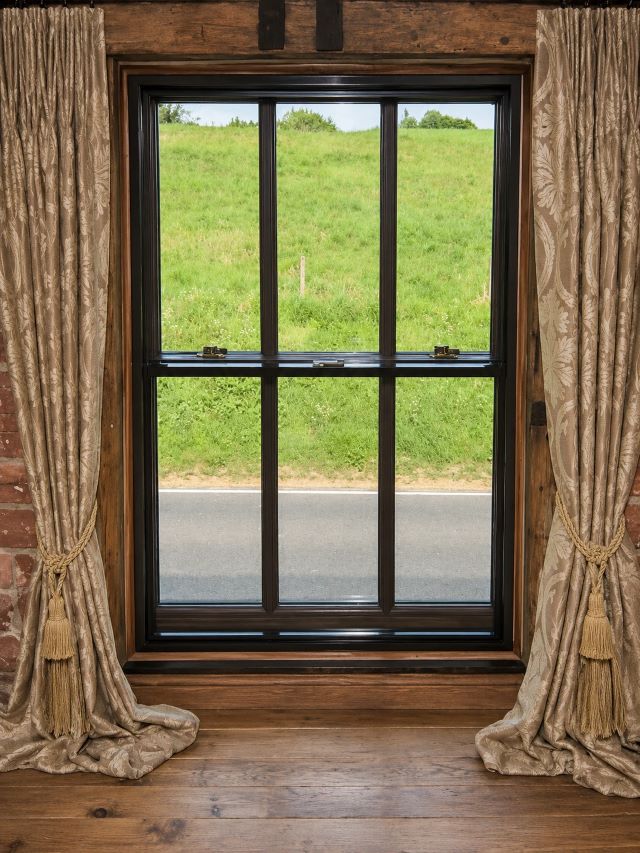
Secondary glazing vs new windows at a glance
| Secondary glazing | New windows | |
|---|---|---|
| What it is | A slim second window fitted inside your existing one | The whole window replaced with a new double-glazed one |
| Original windows | Stay in place, untouched | Removed and replaced |
| Noise | Excellent – the wide air gap cuts noise, best with acoustic glass | Good – better with acoustic glass |
| Warmth and draughts | Much warmer – cuts draughts and heat loss | Very warm – fully sealed, double glazed |
| Listed buildings | Usually the preferred option – may need listed building consent | Often not allowed, or only like-for-like timber |
| Conservation areas | Fitted inside, so planning permission is not usually needed | Allowed when the council accepts the style and material |
| Flats | Ideal when the freeholder will not allow new windows | Needs freeholder approval |
| Outside of the home | No change | New windows from outside |
| Fitting | Usually a day or two for most homes | Planned window by window, around a week for a typical house |
Rotten or broken original windows? Secondary glazing does not fix them – see repair or replace your sash windows.
Which one should you choose?
Secondary glazing
Choose secondary glazing if…
- your home is listed or the windows must stay
- you live in a flat and the freeholder will not allow new windows
- noise from a road, railway or flight path is the main problem
New windows
Choose new windows if…
- your windows are rotten, broken or very draughty
- you want new, easy-to-open windows that need little maintenance
- you would like one window instead of two to open and clean
Secondary glazing vs new windows: frequently asked questions
Is secondary glazing better than double glazing for noise?
Often, yes. The wide air gap between your original window and the secondary unit is what cuts noise, especially with acoustic glass. Replacement windows can also use acoustic glass, but the gap is much smaller.
Do I need permission for secondary glazing?
It is fitted inside your home, so it does not usually need planning permission, even in a conservation area. Listed buildings may need listed building consent, so we recommend checking with your local council first.
Can I still open my original windows?
Yes. Sliding and hinged secondary glazing opens easily, so you can still open your original windows for fresh air and cleaning.
Which is quicker to fit?
Secondary glazing is usually fitted in a day or two for most homes. Replacing the windows in a typical house takes around a week.
Related: Secondary glazing · Double vs triple glazing · Repair or replace sash windows? · Timber vs uPVC sash · All guides
Not sure which option suits your home?
We fit both, so we can give you honest advice. Send a few photos of your windows or book a free survey.
Get your quote without waiting for a visit
Send us a few photos of your windows or doors, tell us what you have in mind, and we’ll reply with a detailed, no-obligation quote.
- 1Snap a few photos
- 2Tell us what you need
- 3Get your detailed quote
Thank you!
We have received your enquiry and will get back to you shortly.
A confirmation has been sent to .
See our windows and doors in person and talk to our team about your project.
- Mon–Thu9:00–17:00
- Friday9:00–16:00
- Sat & SunBy appointment